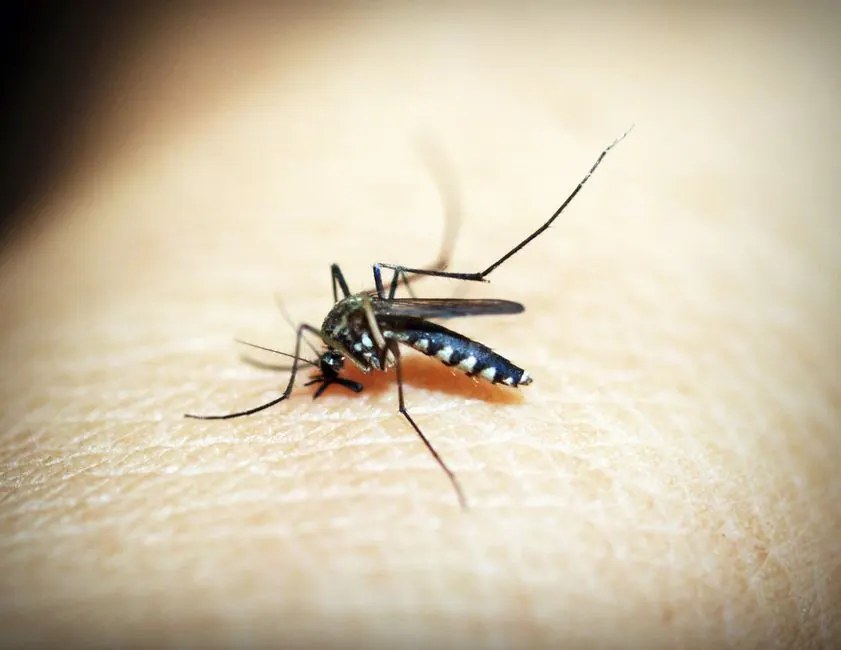
As a homeowner in Miami Lakes, you know how quickly mosquitoes can turn a pleasant evening outdoors into a frustrating experience. DIY mosquito fogging is an effective way to keep your yard pest-free, allowing you to enjoy your outdoor space without the annoyance of these pests. In this article, we will cover everything you need to know about mosquito fogging, including how to choose the right equipment, prepare your yard, and execute the fogging process.
Understanding Mosquito Fogging
Mosquito fogging involves using a pesticide fogger to disperse insecticides into the air, targeting mosquitoes and other flying insects. This method is particularly effective during peak mosquito activity, which typically occurs at dawn and dusk. Fogging not only kills adult mosquitoes but also helps to reduce their population by disrupting their breeding cycle.
Choosing the Right Fogging Equipment
When it comes to mosquito fogging, selecting the right equipment is crucial for achieving effective results. There are two main types of foggers: thermal foggers and cold foggers.
- Thermal Foggers: These use heat to vaporize the insecticide, creating a dense fog that penetrates vegetation and kills mosquitoes on contact. They are ideal for larger areas but require more preparation and safety precautions.
- Cold Foggers: These use a fan to disperse the insecticide as a fine mist. They are easier to use and generally safer for residential applications.
For most homeowners in Miami Lakes, a cold fogger is sufficient for residential mosquito control. Look for models that are lightweight, easy to operate, and compatible with the insecticides you plan to use.
Preparing Your Yard for Fogging
Before you begin fogging, it's essential to prepare your yard to maximize the effectiveness of the treatment. Follow these steps:
- Clear the Area: Remove any furniture, toys, or other items from your yard that could obstruct the fog.
- Trim Vegetation: Cut back overgrown shrubs and grass to allow the fog to penetrate more effectively.
- Check Weather Conditions: Avoid fogging on windy days, as the wind can disperse the fog before it effectively targets mosquitoes.
- Wear Protective Gear: Always wear gloves, goggles, and a mask when handling insecticides to protect yourself from exposure.
Executing the Fogging Process
Once your yard is prepared, it's time to execute the fogging process. Here's a step-by-step guide:
- Read the Instructions: Always read the label on your insecticide to ensure proper usage and safety guidelines.
- Fill the Fogger: Fill your fogger with the recommended insecticide solution, ensuring not to overfill it.
- Start Fogging: Begin at one end of your yard and move systematically to cover the entire area. Aim for low-lying areas where mosquitoes tend to rest.
- Monitor the Environment: Be cautious of any pets or people in the area during fogging. Ensure they stay indoors until the fog dissipates.
After fogging, observe your yard for any remaining mosquito activity. You may need to repeat the process every few weeks, especially during peak mosquito season in Miami Lakes.
Common Mistakes to Avoid
While DIY mosquito fogging can be effective, there are common mistakes that can reduce its effectiveness:
- Not Following Instructions: Always adhere to the manufacturer's instructions for mixing and applying insecticides.
- Ignoring Safety Precautions: Skipping protective gear can lead to exposure to harmful chemicals.
- Fogging at the Wrong Time: Fogging during the day when mosquitoes are less active can result in wasted effort.
When to Call a Professional
While DIY methods can be effective, there are times when it's best to call in the experts. If you find that your mosquito problem persists despite regular fogging, it may be time to consider professional lawn and yard mosquito control. Professionals can assess your property, identify breeding sites, and apply more potent treatments that may not be available for consumer use.
Frequently Asked Questions
How often should I fog my yard?
It's recommended to fog your yard every two to four weeks during peak mosquito season, especially after heavy rain.
Is mosquito fogging safe for pets?
Yes, but it's important to keep pets indoors during the fogging process and for a few hours afterward until the area is safe.
What insecticides are best for fogging?
Look for insecticides specifically labeled for mosquito control, such as pyrethroids, which are effective and commonly used in fogging treatments.
Can I fog my yard if I have a garden?
Yes, but take care to avoid direct application on edible plants. Cover your garden before fogging to protect it from the chemicals.
What should I do if I have a severe mosquito infestation?
If you experience a severe infestation, it may be best to contact a professional for comprehensive mosquito fogging treatment.
Get Help with Mosquito, Rodent and Termite Control in Miami Lakes
If you're struggling with mosquito issues or need assistance with pest control in general, consider reaching out to professionals. Miami Pest Control Pros can help you achieve a pest-free environment in your yard and home. Contact us today at (786) 756-0259.